





Sports Nutrition for Cycling
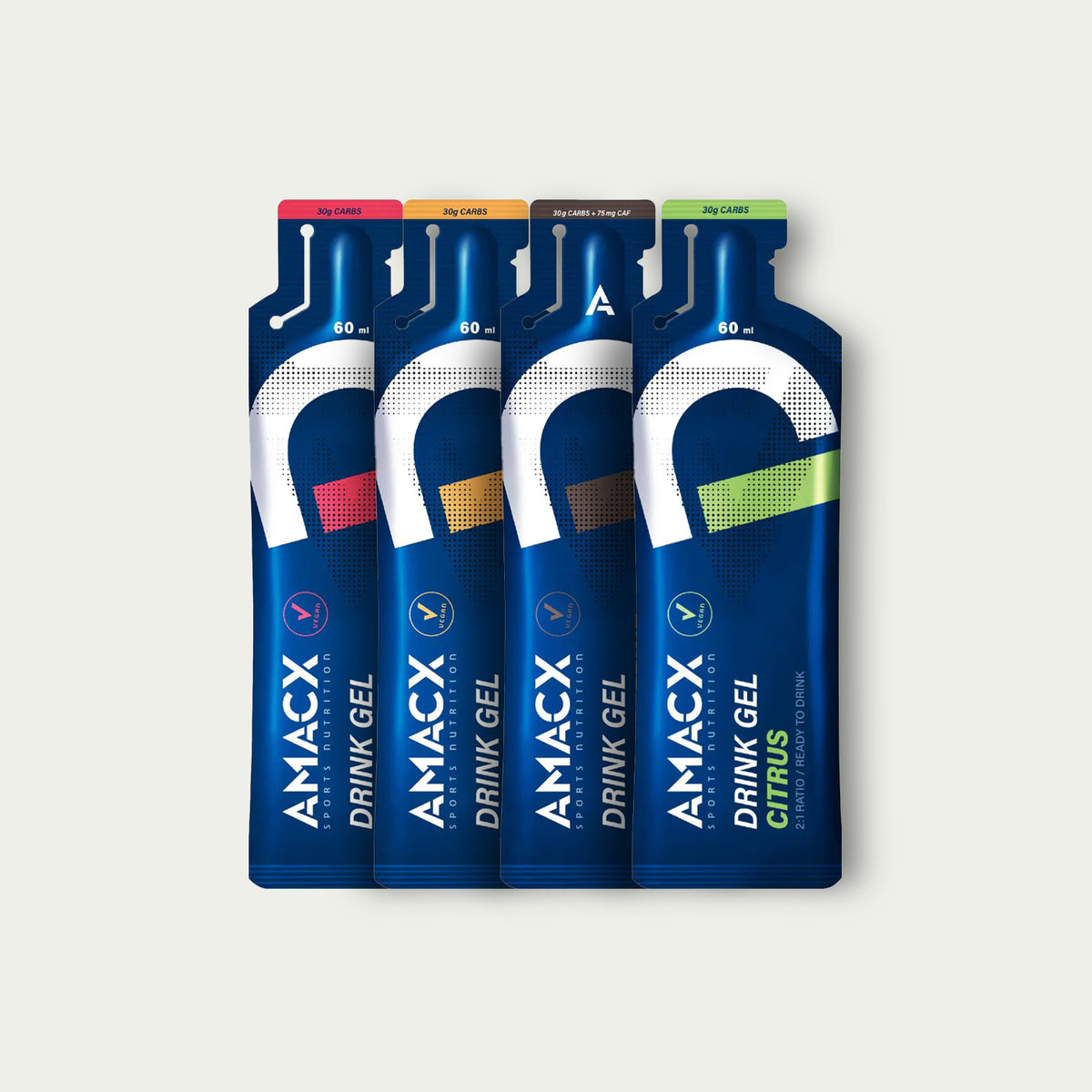
On the bike, eating and drinking is easier than in any other sport. Sports drink as your base, topped up with bars, gels and chews for long rides.




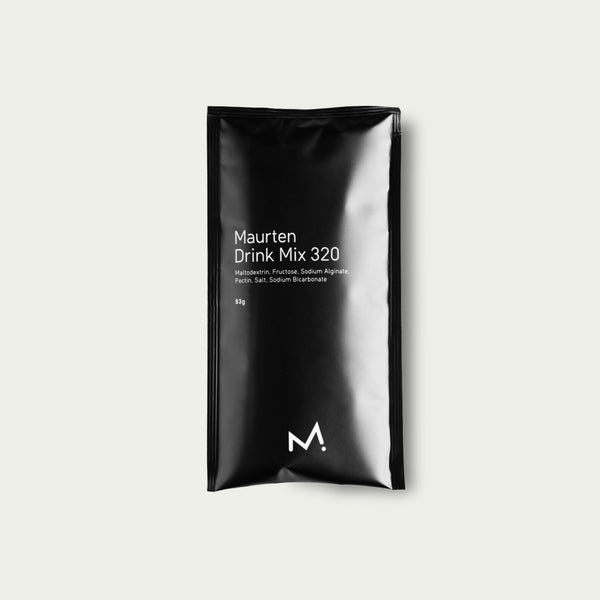
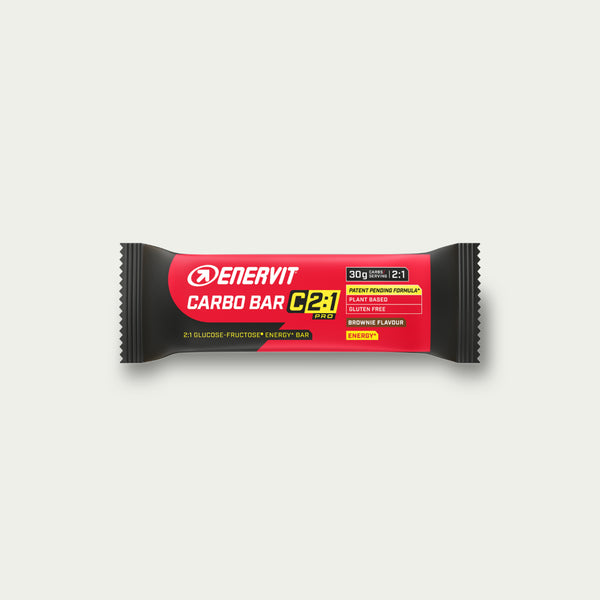
No products match this filter.
What do you need on the bike?




Three things to look for
Per hour
On long rides and in races, spread across your bottle, bars and gels.
Fluid per hour
More in warm weather. If so, take a second bottle with electrolytes.
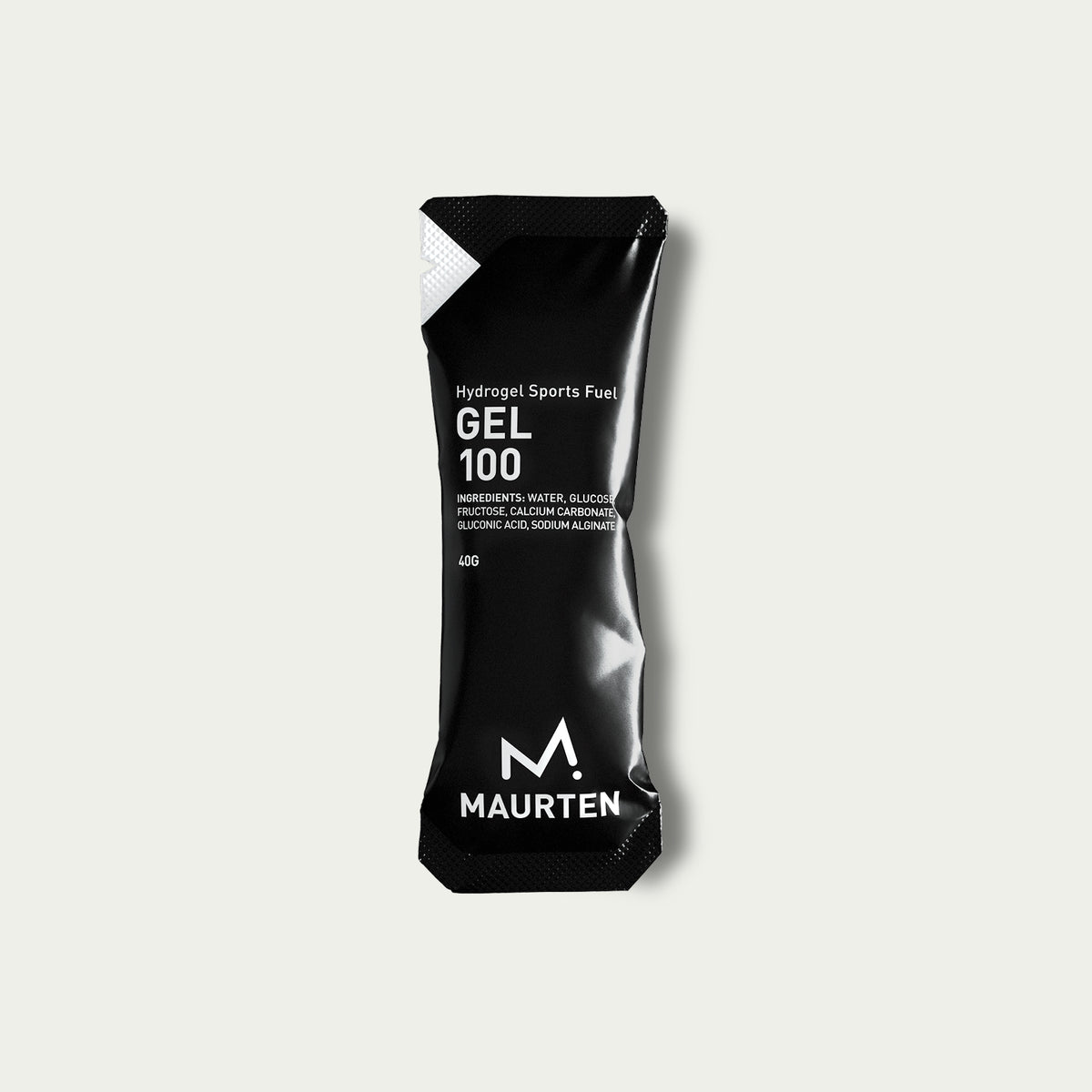
Switch to gels
Chewing gets tricky when the pace goes up.
Riding with a high-carb bottle? Take a second bottle with water or electrolytes, so you manage energy and fluid separately.
Learn more
Fuelling on the bike
On the bike you can eat and drink far more than when you're running: your body bounces around less, you carry bottles and there are quiet moments to chew. With a good plan, 60 to 90 grams of carbs per hour is easy to reach, and even more with a trained gut. That makes the difference on long rides, in the hills and in races.
What to look for
- Your bottle is the base: energy, fluid and salt in one go
- Solid food in the easier hours, gels when the pace goes up
- Start eating in the first hour, even if you still feel fresh
- Drink more and top up your sodium on hot days
How to build your ride plan
Rides up to 2 hours: a bottle of sports drink with around 30 grams, plus a bar or gel if you like, is enough.
Rides of 2 to 4 hours: aim for 60 grams per hour. For example a 30-gram bottle plus a bar or a pack of chews every hour.
Long rides or races: 80 to 90 grams per hour or more. A high-carb bottle with 60 to 80 grams, topped up with a gel, gets you there without stuffing your pockets.
Pack your food in your jersey pockets in order: bars for the first hours, gels for the finale. That way you never grab the wrong thing on the road.
Sportive, gravel or race
On a sportive or gravel ride the pace is lower and you have time to chew: bars and chews are ideal and keep hunger at bay. In a race the pace is higher and you want to fuel quickly: that's where your bottle and gels do the work. Whatever you ride, test your nutrition in training and stick to products with the same carbohydrate ratio for the best absorption.