





Sports Drinks
Energy, fluid and salt in your bottle. From isotonic sports drinks with 17 to 30 g of carbs to high-carb mixes with 80 g or more per bottle.


No products match this filter.
What goes in your bottle?


Three things to look for
Carbs per bottle
Isotonic around 30 g, high-carb mixes up to 90 g for a trained gut.
Fluid per hour
Rule of thumb in warm weather. Drink in small sips and to thirst.
The ratio
2:1 up to 90 g per hour, 1:0.8 up to 120 g per hour.
Only need fluid and salt, without carbs? Then take a look at our electrolytes.
Learn more
Why sports drinks
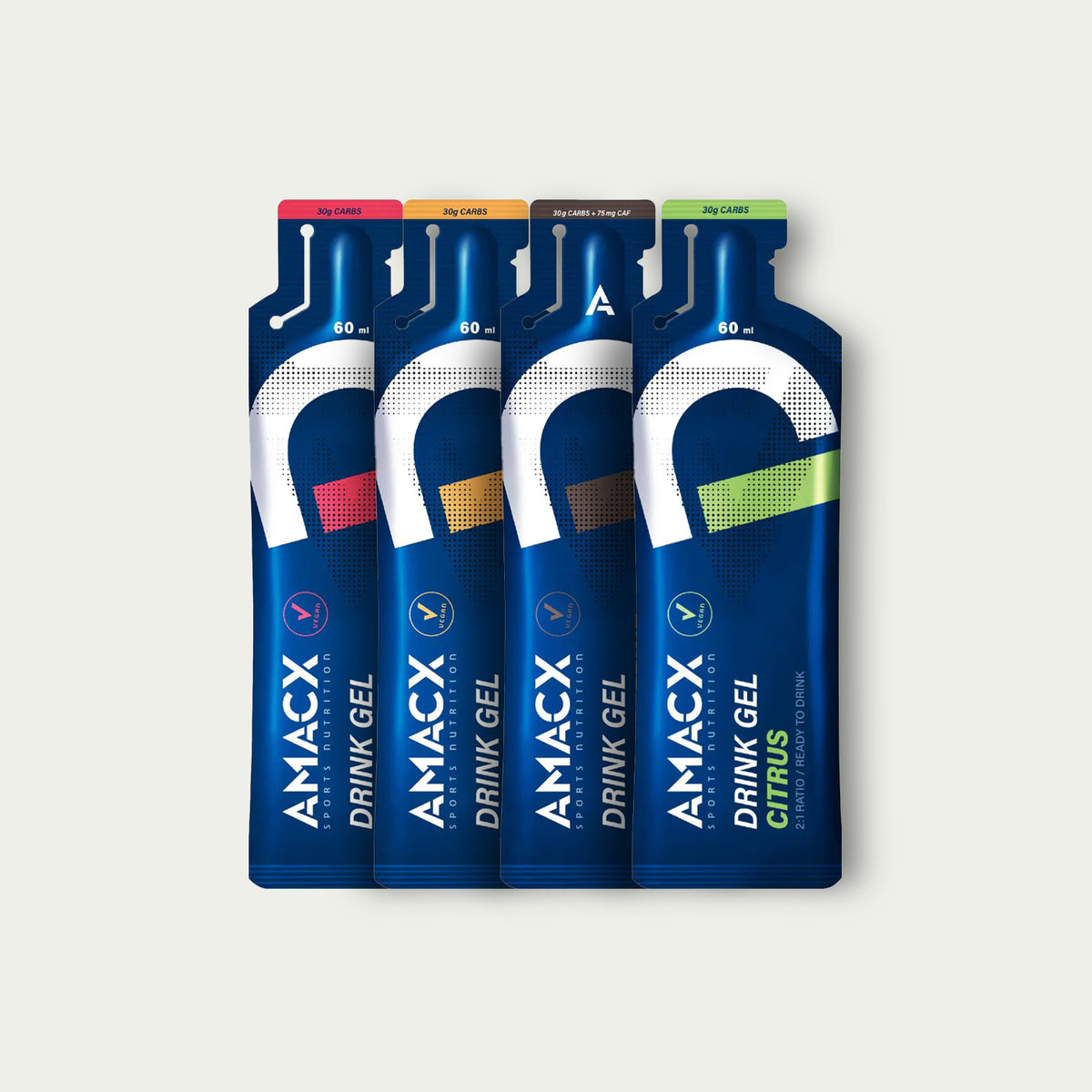
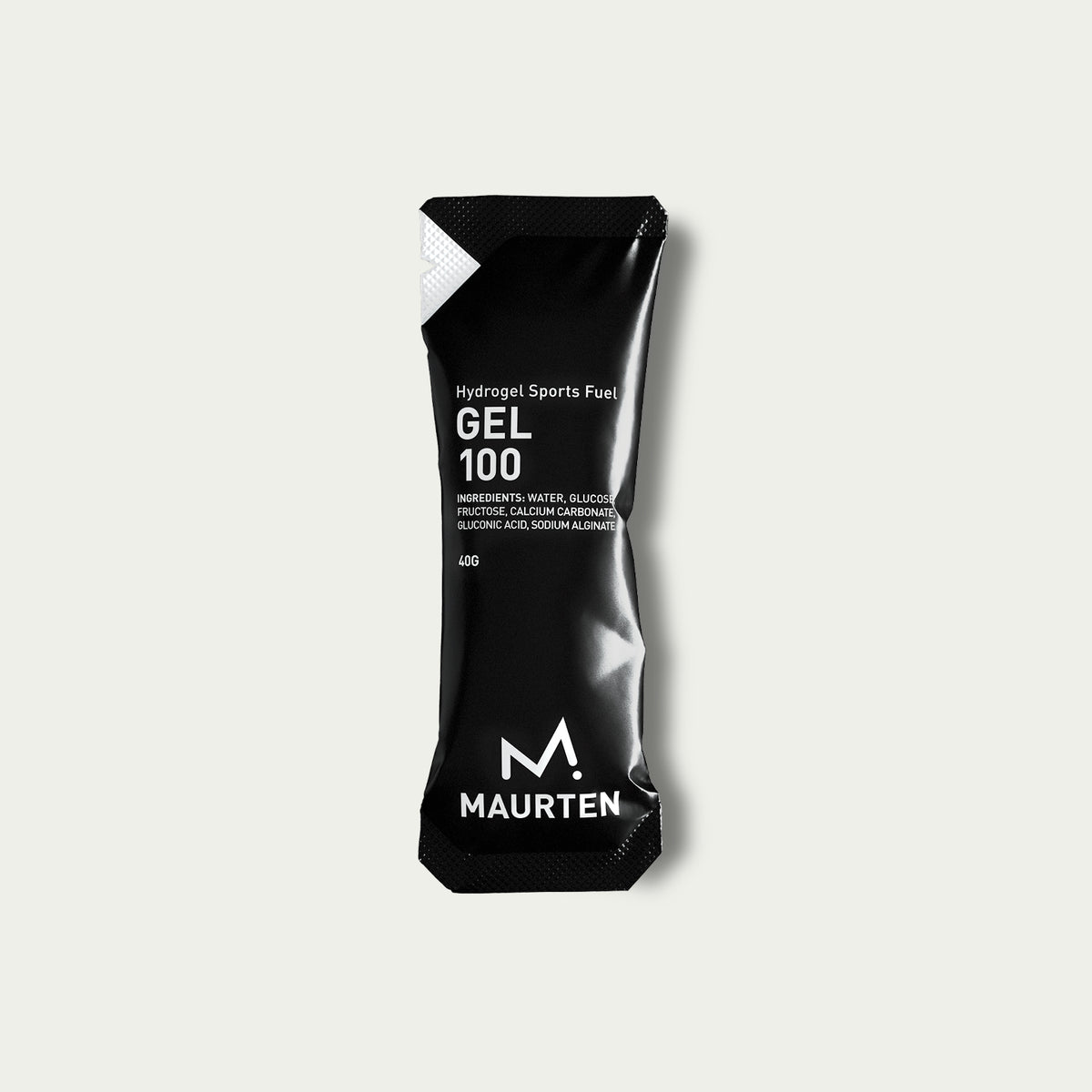
Your bottle is the foundation of your nutrition plan: no other product delivers energy, fluid and minerals as easily and steadily as a good sports drink. Broadly speaking there are two types. Isotonic sports drinks have the same concentration as your body fluids: energy and hydration in balance, absorbed straight away and easy on the stomach. High-carb drinks pack up to 90 grams of carbs into one bottle and are the engine behind high intakes. Above you'll find all the sports drinks in our range, from brands such as Maurten, Amacx, Precision and Enervit. Below you'll read what isotonic actually means, how many grams to put in your bottle and how to build your drinking plan.
Pros
- Energy, fluid and minerals in one: the easiest way to get your carbs in
- Steady supply: you drink small sips spread out over time, without peaks and dips
- Isotonic drinks are absorbed straight away and are kind to your stomach
- High-carb mixes deliver up to 90 grams per bottle: less fuss with separate packs
- Mild flavours you can drink for hours without flavour fatigue
- Powder is light, keeps for a long time and is easy to dose precisely per bottle
Good to know
- Never mix stronger than the instructions say: a drink that's too concentrated slows absorption and can cause stomach trouble
- You drink more in hot weather: choose a lighter mix and manage your salts separately with electrolytes
- Sugar-free isotonic drinks mainly provide fluid and minerals: combine them with gels or bars for energy
- Count your bottle in your overall plan: 30 g from the bottle plus 30 g from a gel makes 60 g per hour
Isotonic, hypotonic or hypertonic: what does it mean?
It's all about the concentration of dissolved particles (the osmolality) in your drink compared with your body fluids. That ratio determines how quickly fluid and energy are absorbed and how your stomach reacts.
| Type | Concentration | What it does |
|---|---|---|
| Hypotonic | Lower than your body fluids | Fastest fluid absorption, little energy. Think water with an electrolyte tablet: purely focused on hydration. |
| Isotonic | Equal to your body fluids | The happy medium: fluid and energy are absorbed quickly together, without stressing your stomach. The standard for most sports drinks, with about 30 g per bottle. |
| Hypertonic | Higher than your body fluids | Maximum energy per sip, but slower fluid absorption. High-carb mixes are deliberately designed this way: drink plain water alongside or take a second bottle with just water. |
From 30 to 90 grams per bottle: choose your strength
Sports drinks differ mainly in how many carbs they deliver per 500 ml bottle. Choose the strength that fits your hourly target and build up to higher intakes gradually.
| Strength per bottle | Who and what it's for |
|---|---|
| About 30 g (isotonic) | The base for training and most races. For example the Amacx Energy Drink (2 scoops in 500 ml, with sodium and magnesium) or the Enervit Isotonic Drink with 25 g per serving, free from sweeteners and colourings. |
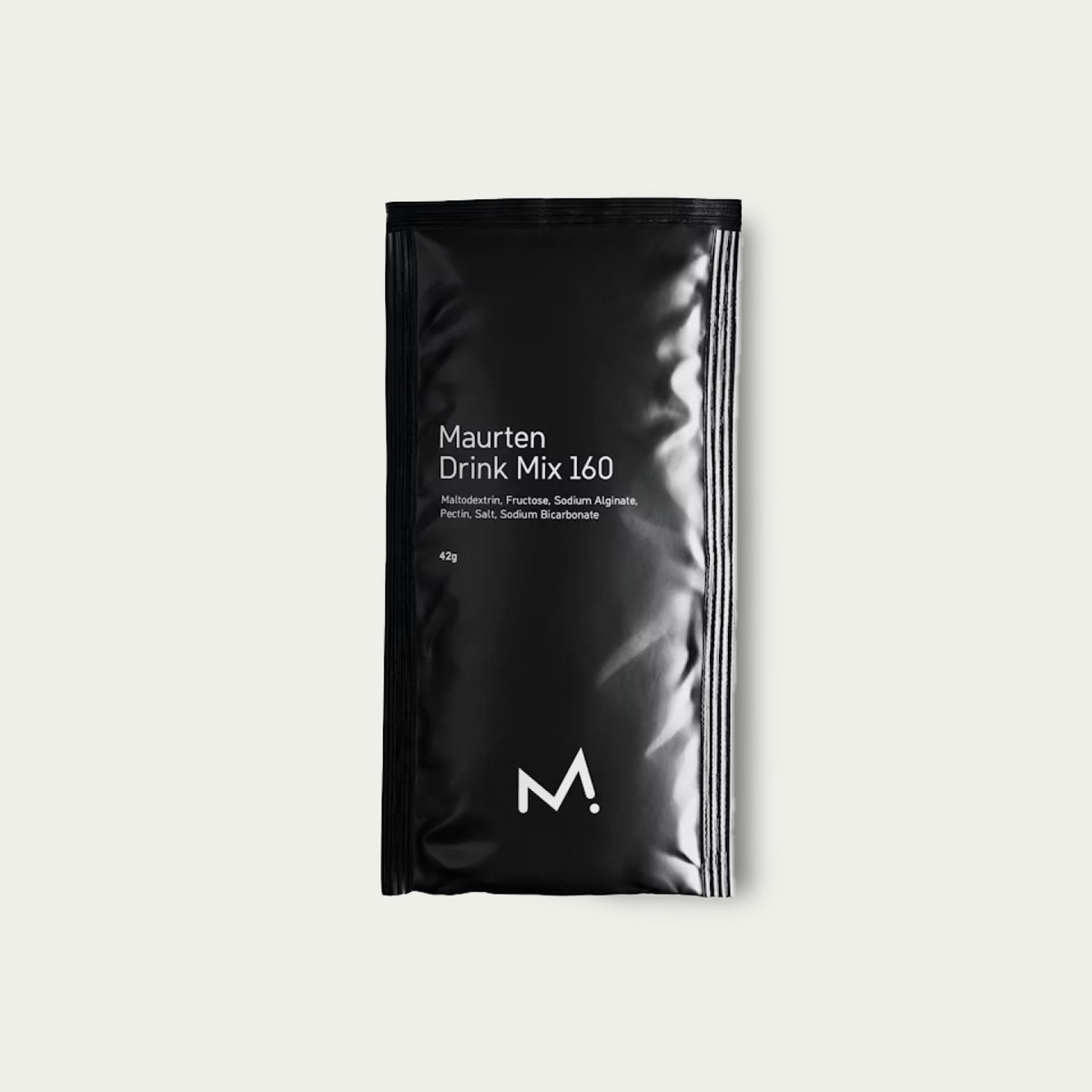
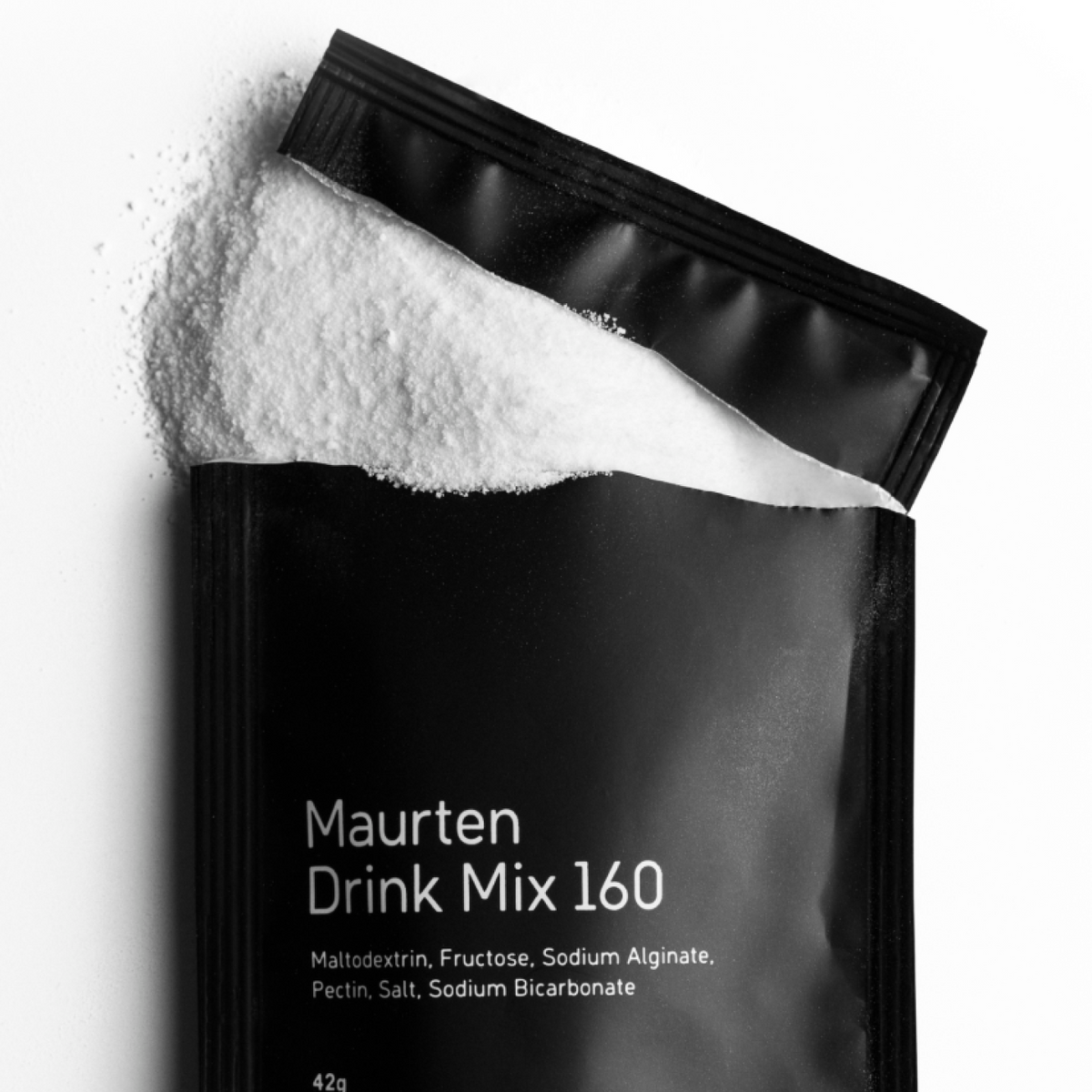
| 40 to 60 g | The middle ground for races at around 60 to 90 grams per hour. For example the Maurten Drink Mix 160 (40 g with hydrogel technology) or the Enervit Isocarb with 2 scoops in 500 ml for 60 g, with a barely sweet taste. |
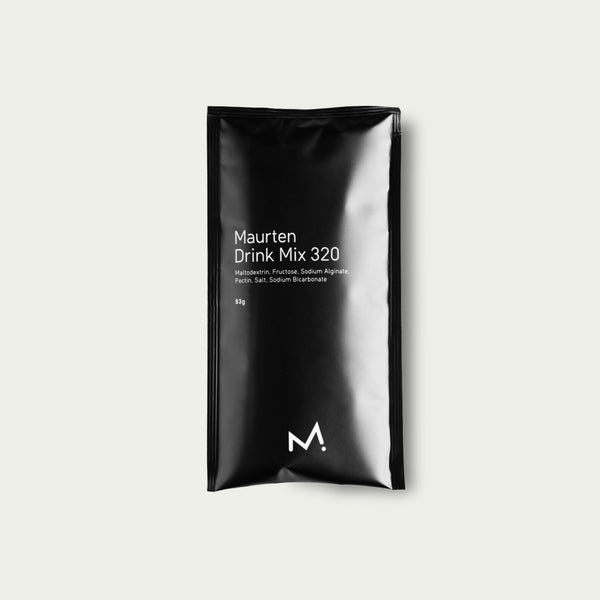
| 80 to 90 g (high-carb) | The engine behind plans of 90 to 120 grams per hour, for a trained gut. For example the Maurten Drink Mix 320 (80 g), the Amacx Turbo Drink (up to 80 g in the 1:0.8 ratio) or the Enervit Isocarb with 3 scoops in 750 ml. |
| Sugar-free (0 to 17 g) | Hydration with minerals and vitamins for short or hot sessions, such as the Enervit Electrolytes Drink Mix or the electrolyte tablets. Combine with gels for your energy. |
How to mix your bottle properly (and why stronger isn't smarter)
Stick to the mixing ratio. Every sports drink is designed for a set amount of powder per 500 ml. More powder in the same bottle makes the drink hypertonic: absorption slows down and the risk of stomach trouble goes up. If you want more carbs per bottle, choose a high-carb mix designed for that instead of mixing an isotonic drink stronger.
Adjust for the weather. On hot days you need more fluid than energy: choose a lighter mix and top up your salts with electrolytes. On cold days you drink less: then the bottle can be stronger, as long as you're used to that in training.
The two-bottle strategy. Riding with a high-carb bottle? Take a second bottle with just water or a light electrolyte mix. That way you manage energy and fluid independently and always have something neutral to go with a gel.
Mix your bottles fresh, shake well and rinse them straight after your ride. Sweet mixes in particular quickly leave residue that spoils the taste of your next session.
Your drinking plan: how much and when?
Drink to thirst, but stay just ahead of it. From the start, take a few small sips every 10 to 15 minutes instead of big gulps once thirst has already kicked in. As a rule of thumb, drink about 500 ml per hour in mild weather and 500 to 750 ml per hour in warm weather.
Know your own losses. Weigh yourself before and after a long session: every kilo lost equals about a litre of sweat. Within a few weeks you'll know whether your drinking plan keeps up with your losses or whether you're consistently drinking too little.
Count your bottle in your energy plan. The carbs from your sports drink add up fully with your gels and bars. An isotonic bottle (30 g) plus a gel (30 g) plus a bar (30 g) makes 90 grams per hour. With a high-carb bottle of 80 to 90 grams, you're already at race standard without any extra products.