






Recovery
Recovery is where the gains are. Shakes, bars and cherry products to refill your glycogen and repair your muscles.



No products match this filter.
What do you need after training?
Three things to look for
Recovery window
Protein plus carbs straight after the finish.
Protein per serving
The building blocks for muscle repair.
Sleep
The most important recovery moment of all.
Eat a proper meal within 2 hours of your session. The shake bridges the gap, the meal finishes the job.
Learn more
Why recover with purpose
Recovery is where the gains are: it's not the training itself that makes you stronger, but what your body does with the stimulus afterwards. Recover smartly and you're back training at full level sooner, have sore muscles for less time and keep building season after season. Good recovery rests on three pillars: refilling your glycogen stores with carbs, repairing your muscles with protein and restoring your fluid balance. Above you'll find all the recovery products in our range: from recovery shakes and recovery drinks to protein powder, recovery bars and cherry products. Below you'll read how to use them, with practical tips to recover faster after a hard session, a marathon or a triathlon.
Pros of targeted recovery nutrition
- Complete recovery in one product: shakes combine protein, carbs and fluid
- Protein contributes to muscle repair and muscle growth, carbs refill your glycogen stores
- Fast and practical at moments when cooking or eating isn't an option yet, such as straight after the finish
- A format for every moment: a shake after endurance sport, pure protein after strength training, a bar on the go
- Cherry products with standardised anthocyanins for race blocks and taper week
- Every batch independently tested for banned substances
Good to know
- After a short, easy session (under 60 to 75 minutes), your next normal meal is usually enough
- A recovery shake is a flying start, not a meal replacement: your normal food does the real work
- Use cherry products strategically, not by default: in easy base-building blocks, the inflammatory signal is exactly your training stimulus
- Shakes and recovery bars often contain milk protein: check the product page for vegan options
The three pillars of recovery: refuel, repair and rehydrate
After a hard effort your body is in breakdown mode. To turn that into building up, you support three processes at once. Refuel: your muscles have used up their glycogen and take on new carbs most easily in the first 30 to 45 minutes. Repair: protein provides the building blocks for muscle repair, with the amino acid leucine switching on muscle protein synthesis. Rehydrate: you replace the fluid and electrolytes you lost through sweat. The table shows which type of product suits which moment.
| Your moment | Your choice |
|---|---|
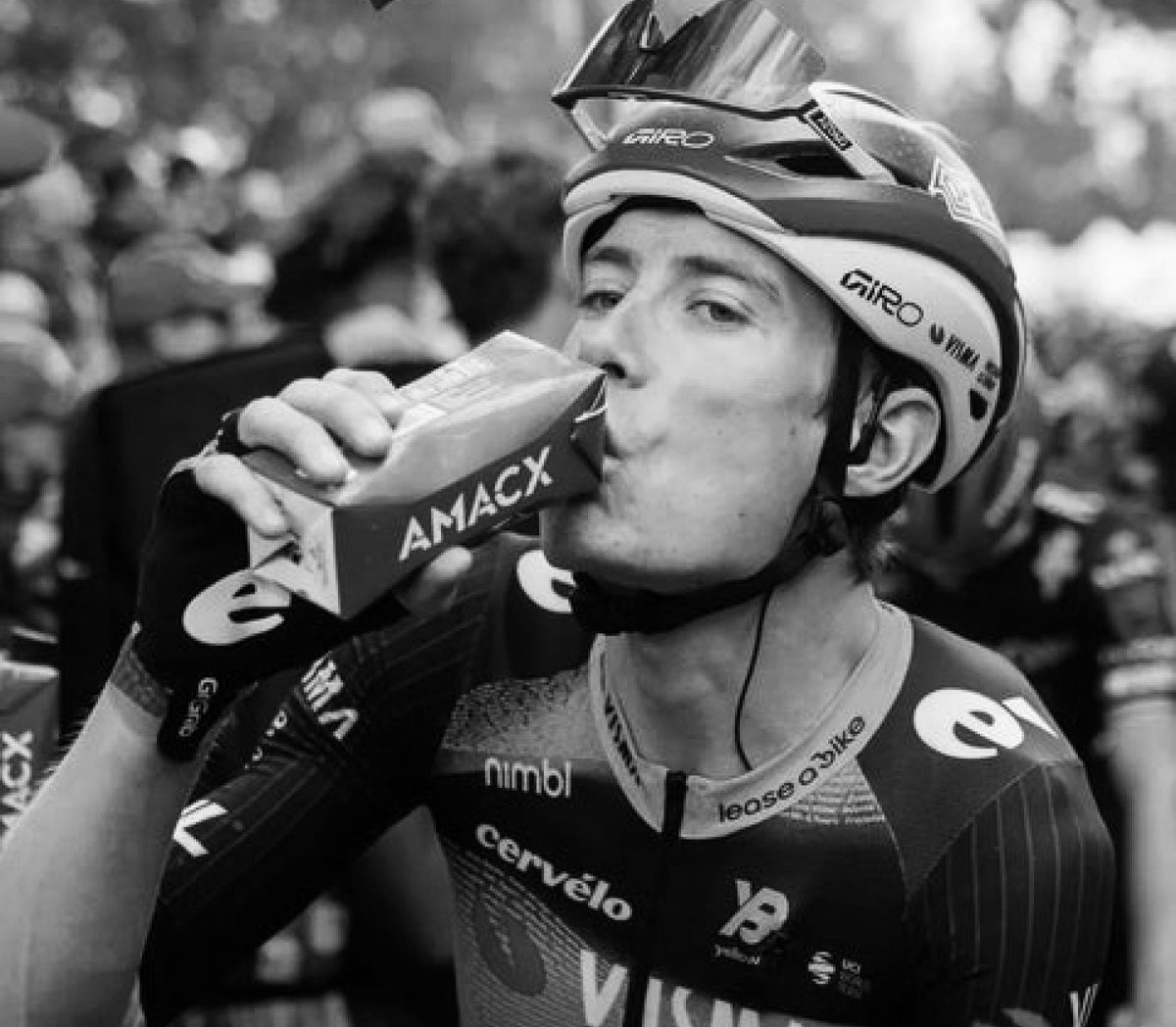
| Long endurance session or race | A complete recovery shake with protein, carbs and fluid in one, such as the Amacx Recovery Shake. |
| Strength training or short intense session | Pure protein, without the carbs you need less right now. For example a protein shake such as the Protein Delux. |
| On the go, no shaker to hand | A recovery bar with protein and carbs, such as the Amacx Recovery Bar. |
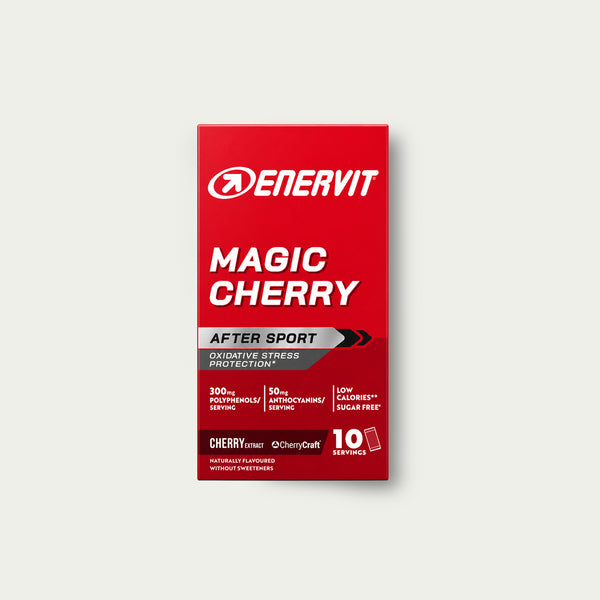
| Multi-day race or taper week | Cherry products with anthocyanins: a cherry drink after the finish, gummies before bed. |
| Ultra distances and extremely long days | An extra recovery moment on top of your normal recovery routine, such as a Recovery Shake before bed. |
| Easy session under 75 minutes | Your next normal meal is enough. Save your recovery products for the hard days. |
Recovering after a triathlon or marathon: day by day
Race day itself: start your recovery within 45 minutes of the finish with a recovery shake or recovery drink and keep drinking for the rest of the day. Eat a real meal within 2 hours, even if you're not very hungry: small portions count too. Go easy on alcohol, as it slows down both your rehydration and your muscle repair. End the day with a protein serving and get to bed on time.
Days 1 to 3: expect muscle soreness that peaks after 24 to 48 hours, especially after running a marathon or the run leg of a triathlon. Go for active recovery: walking, easy swimming or light cycling. Keep your protein intake high with servings of 20 to 25 grams spread across the day and keep eating well: your body is busy with repair work for days.
The weeks after: the longer the race, the longer the recovery. After a sprint or Olympic distance you're often recovered within a few days to a week; after a marathon or half-distance triathlon allow 1 to 2 weeks, and after a full-distance triathlon easily 2 to 4 weeks before you train at full load again. Feel good sooner? Still keep the intensity low for a while: just because your heart is willing doesn't mean your muscles and tendons are ready.
Plan your recovery as seriously as your taper week: put the first 3 rest days after your race in your diary in advance, and the temptation to train too early becomes a lot smaller.
Protein, carbs and fluid: how much do you need?
Protein: straight after exercise, aim for a serving of 20 to 25 grams, ideally fast-absorbing protein with a high leucine content such as whey. Repeat that every 3 to 4 hours throughout the day: your muscles don't recover in one moment but over several days.
Carbs: after long endurance sport your glycogen stores are largely empty. Refill generously in the first few hours, starting with the 30 grams from your recovery shake, followed by carb-rich meals. The sooner you need to perform again (at multi-day events, for example), the more this matters.
Fluid: weigh yourself before and after a long effort to learn how much fluid you lose. The rule of thumb: drink back about one and a half times the weight you've lost, spread over the hours after the finish. With heavy sweat loss, add electrolytes, because replacing water alone isn't enough.
Sleep, cherries and active recovery: the underrated accelerators
Sleep is your most powerful recovery tool: during deep sleep the production of recovery hormones runs at full speed and your muscles process the training stimulus. Aim for 7 to 9 hours and deliberately plan a short afternoon nap after a hard race.
Tart cherry is the targeted accelerator for busy race blocks. The anthocyanins in concentrated cherry extract help limit muscle damage and temper the inflammatory response behind delayed onset muscle soreness. For a key race, start loading 4 to 7 days beforehand and take a serving before bed: tart cherry naturally contains melatonin, which supports your sleep.
Active recovery beats the sofa: easy movement the day after a hard effort keeps the blood flowing and clears waste products. Think half an hour of walking or very easy cycling, with the emphasis on very easy: it's recovery, not training.
Don't use cherry products in easy base-building blocks: the inflammatory response after a session is exactly the stimulus that makes you stronger. Save them for races, multi-day blocks and taper week.